
How to care for braces and orthodontic appliances: Embark on a journey to discover the best practices for maintaining your oral health and the longevity of your orthodontic treatment.
This comprehensive guide covers everything from the importance of proper care to common mistakes to avoid, ensuring a smooth and successful orthodontic experience.
Braces and Orthodontic Appliances Care: How To Care For Braces And Orthodontic Appliances
Caring for braces and orthodontic appliances is crucial for successful treatment outcomes and maintaining good oral health. Proper care can help prevent complications, discomfort, and prolong the duration of treatment.
Importance of Maintaining Oral Hygiene with Braces
When wearing braces, it is essential to maintain excellent oral hygiene to prevent plaque buildup, tooth decay, and gum disease. Food particles can easily get trapped in the brackets and wires, leading to these issues if not properly cleaned.
- Brush your teeth after every meal and floss daily to remove food debris and plaque.
- Use a fluoride mouthwash to strengthen enamel and prevent cavities.
- Avoid sticky and hard foods that can damage the braces.
- Regular dental check-ups and cleanings are essential to monitor oral health progress.
Impact of Proper Care on Treatment Duration
By following proper care instructions, patients can help ensure that their treatment progresses smoothly and efficiently. Neglecting oral hygiene or damaging the braces can lead to delays in treatment, prolonging the overall duration.
Common Mistakes to Avoid When Caring for Braces
- Avoid eating hard or sticky foods that can break the brackets or wires.
- Skipping regular dental appointments can lead to undetected issues that may affect treatment progress.
- Not following proper cleaning techniques can result in plaque buildup and tooth decay.
- Avoid using teeth as tools to open packages or chew on non-food items.
Wellness Programs
Wellness programs play a crucial role in complementing orthodontic treatment by promoting overall health and well-being during the braces care process.
Benefits of Wellness Activities
- Improved oral hygiene: Wellness programs that focus on promoting good oral habits can help maintain oral health while wearing braces, reducing the risk of cavities and gum disease.
- Stress reduction: Engaging in wellness activities such as yoga or meditation can help reduce stress levels, which in turn can contribute to better orthodontic outcomes.
- Healthy diet promotion: Wellness programs often emphasize the importance of a balanced diet, which is essential for overall health and can also support orthodontic treatment by providing the necessary nutrients for optimal dental health.
Examples of Wellness Programs
- Orthodontic-friendly recipe workshops: These programs teach patients how to prepare nutritious meals that are gentle on braces, promoting a healthy diet that supports orthodontic treatment.
- Physical activity challenges: Encouraging patients to engage in regular exercise can improve overall health, boost mood, and support the orthodontic process by promoting circulation and overall well-being.
- Mindfulness sessions: Practices like mindfulness meditation can help patients manage discomfort associated with braces, reduce stress, and promote a positive mindset throughout the treatment journey.
Herbal Remedies
Herbal remedies can play a crucial role in managing discomfort caused by braces and orthodontic appliances. These natural options can help soothe oral tissues and alleviate pain during the adjustment period.
Soothing Herbal Options
- Calendula: Known for its anti-inflammatory properties, calendula can help reduce swelling and soothe irritated gums.
- Chamomile: Chamomile has calming effects and can help relieve pain and discomfort associated with braces.
- Aloe Vera: Aloe vera gel can be applied topically to alleviate soreness and promote healing of oral tissues.
- Peppermint: Peppermint oil or tea can provide a cooling sensation and help reduce pain and inflammation in the mouth.
It is important to consult with your orthodontist before using any herbal remedies to ensure they are safe and compatible with your treatment plan.
Skin Health
Maintaining healthy skin is essential, especially when undergoing orthodontic treatment with braces or other appliances. The presence of braces can sometimes cause skin issues due to the constant friction and pressure on the cheeks and lips. Here are some tips to help you maintain healthy skin while wearing braces:
Prevent Irritation
- Avoid using harsh or abrasive skincare products that may irritate the skin further.
- Apply a small amount of orthodontic wax on the brackets or wires that are causing irritation to create a barrier between the braces and your skin.
- Keep the skin clean and moisturized to prevent dryness and chafing.
Adjust Skincare Routine
- Consider using a gentler facial cleanser to avoid aggravating any skin sensitivities caused by the braces.
- Avoid products with strong fragrances that may irritate the skin further.
- Be mindful of the pressure you apply when washing your face to prevent additional irritation.
Bone Density
Maintaining optimal bone density is crucial, especially during orthodontic treatment. Braces can exert pressure on the teeth and surrounding bones, affecting bone health in the process. Let’s explore the impact of orthodontic treatment on bone density and ways to support bone health during this period.Explainatory paragraph:Orthodontic treatment, such as wearing braces, can lead to changes in bone density around the teeth.
The pressure applied by braces gradually shifts the teeth into proper alignment, causing the bone to remodel and adapt to the new positions. This process may temporarily decrease bone density in certain areas as the bone undergoes restructuring. However, once the treatment is complete, the bone density typically returns to normal levels.
Supporting Bone Health during Braces Treatment
- Adequate Calcium Intake: Ensure a diet rich in calcium to support bone strength and density. Include dairy products, leafy greens, and fortified foods in your meals.
- Regular Exercise: Engage in weight-bearing exercises like walking, running, or strength training to promote bone health and density.
- Good Oral Hygiene: Maintain proper oral care habits to prevent gum disease, which can impact bone health in the mouth.
- Follow Orthodontist’s Instructions: Adhere to your orthodontist’s recommendations for braces care and adjustments to minimize any negative impact on bone density.
Maintaining Optimal Bone Density for Overall Wellness
- Healthy Diet: Consume a balanced diet rich in vitamins and minerals essential for bone health, such as vitamin D, magnesium, and phosphorus.
- Regular Bone Density Checks: Consider periodic bone density tests to monitor changes and address any concerns promptly.
- Avoid Smoking and Excessive Alcohol: Smoking and heavy alcohol consumption can negatively affect bone density, so it’s important to limit these habits.
- Stay Active: Engage in regular physical activity to maintain bone strength and density, promoting overall wellness.
Muscle Mass
Maintaining muscle mass is essential for overall health and well-being, especially when undergoing orthodontic treatment. The relationship between muscle mass and orthodontic care is often overlooked, but it plays a crucial role in the success of the treatment.
Impact of Orthodontic Appliances on Muscle Development
Orthodontic appliances can impact muscle development in several ways. The pressure exerted by braces or other orthodontic devices on the teeth and jaw can affect the alignment of the jaw muscles. This can lead to changes in muscle tone and strength, potentially impacting the overall muscle mass in the face and neck area.
- Braces can cause temporary discomfort and difficulty in chewing, which may result in reduced muscle activity in the jaw.
- Orthodontic appliances can also alter the position of the jaw, affecting the muscle balance and coordination in the facial muscles.
- Prolonged use of orthodontic appliances may lead to muscle fatigue and weakness, especially if proper care is not taken to address any issues promptly.
It is important to be mindful of the potential impact of orthodontic treatment on muscle development and take proactive steps to preserve muscle mass.
Tips for Preserving Muscle Mass during Orthodontic Treatment
Proper care and attention to muscle health can help minimize the negative effects of orthodontic appliances on muscle development. Here are some tips to preserve muscle mass while undergoing orthodontic treatment:
- Stay hydrated and maintain a balanced diet rich in protein and nutrients to support muscle growth and repair.
- Practice jaw exercises recommended by your orthodontist to strengthen the jaw muscles and maintain muscle tone.
- Avoid hard or sticky foods that can strain the jaw muscles and cause discomfort while wearing orthodontic appliances.
- Engage in regular physical activity to promote overall muscle health and prevent muscle atrophy.
Dental Care
Regular dental check-ups are crucial during orthodontic treatment to ensure that your teeth and gums remain healthy throughout the process. Your orthodontist will focus on adjusting your braces or orthodontic appliances, but your dentist will monitor your overall dental health, looking for signs of decay or other issues.Maintaining good dental hygiene with braces is essential to prevent cavities, gum disease, and other problems.
Here are some tips to help you care for your teeth while wearing braces:
Tips for Maintaining Dental Health with Braces
- Brush your teeth after every meal and floss daily to remove food particles that can get stuck in your braces. Use a soft-bristled toothbrush and fluoride toothpaste.
- Avoid hard and sticky foods that can damage your braces or get stuck in them, leading to decay.
- Rinse your mouth with water or mouthwash if you can’t brush after eating to help remove food debris.
- Visit your dentist regularly for cleanings and check-ups to catch any issues early and prevent complications.
Orthodontic appliances such as braces can make it more challenging to maintain your dental care routine, but with proper techniques and tools, you can keep your teeth and gums healthy. Be diligent about cleaning your braces and teeth to avoid problems during your orthodontic treatment.
Eye Health
Eye health is an important aspect of overall well-being, and it is essential to consider how orthodontic treatment may affect this particular area. While braces and orthodontic appliances primarily focus on the alignment of the teeth and jaw, there can be potential effects on eye health that patients should be aware of.
Here, we will explore the connection between orthodontic treatment and eye health, as well as provide tips for protecting your eyes while wearing braces.
Effects of Orthodontic Appliances on Eye Health
When wearing braces or other orthodontic appliances, some patients may experience temporary changes in their vision. This can be due to the pressure exerted on the teeth and jaw, which can indirectly affect the surrounding facial structures, including the eyes.
It is important to note that these changes are usually minor and temporary, and should not cause any long-term damage to eye health.
However, it is still essential to be mindful of any changes in vision or discomfort in the eyes while undergoing orthodontic treatment. If you experience any persistent issues, it is recommended to consult with your orthodontist or an eye care professional to address any concerns.
Mental Clarity
Maintaining mental clarity during orthodontic treatment is essential for overall well-being and successful outcomes. The impact of braces and orthodontic appliances on mental clarity can vary from person to person, but there are strategies that can help individuals navigate any challenges that may arise.
Strategies for Maintaining Focus
- Establish a routine: Creating a daily schedule that includes time for studying, work, relaxation, and orthodontic care can help maintain focus and reduce stress.
- Stay organized: Keep track of appointments, instructions from your orthodontist, and any changes in your treatment plan to avoid feeling overwhelmed.
- Practice mindfulness: Engaging in mindfulness techniques such as deep breathing, meditation, or yoga can help improve mental clarity and reduce anxiety.
- Stay hydrated and eat well: Proper nutrition and hydration are crucial for brain function, so make sure to prioritize a balanced diet and drink plenty of water.
- Get enough rest: Adequate sleep is essential for cognitive function, so aim for 7-9 hours of quality sleep each night to support mental clarity.
Influence on Cognitive Function
Orthodontic treatment can indirectly impact cognitive function by improving self-esteem and confidence, which can lead to better focus and cognitive performance. Additionally, proper alignment of the jaw and teeth can reduce issues like headaches or jaw pain, which can contribute to mental clarity.
Joint Flexibility
Maintaining joint flexibility is crucial when wearing orthodontic appliances to ensure overall oral health and prevent discomfort or pain. The pressure exerted by braces or other appliances can affect the alignment of the jaw and surrounding joints, making it important to focus on promoting joint flexibility throughout treatment.
Exercises and Practices for Joint Flexibility
- Perform gentle jaw exercises, such as opening and closing your mouth slowly, to promote flexibility and reduce stiffness.
- Incorporate stretching exercises for the neck and shoulders, as tension in these areas can impact jaw movement and joint health.
- Practice good posture to alleviate pressure on the jaw joints and promote proper alignment.
- Consider using a warm compress on the jaw area to help relax muscles and improve flexibility.
Impact of Orthodontic Care on Joint Health
Orthodontic care plays a significant role in not only correcting dental alignment but also in influencing overall joint health. Properly aligned teeth can help distribute bite pressure evenly, reducing strain on the jaw joints and promoting better joint function. However, misaligned teeth or poorly fitting appliances can lead to joint discomfort, stiffness, and potential long-term issues if not addressed promptly.
Digestive Health
Maintaining a healthy digestive system is crucial, especially during orthodontic treatment, as braces can sometimes affect how you eat and digest food. Let’s explore some tips to help you keep your digestive system in top shape while wearing braces.
Dietary Considerations
- Avoid hard-to-chew foods that can be difficult to digest, such as tough meats or raw vegetables. Opt for softer alternatives to reduce strain on your digestive system.
- Include fiber-rich foods like fruits, vegetables, and whole grains in your diet to promote regular bowel movements and overall digestive health.
- Stay hydrated by drinking an adequate amount of water throughout the day to help with digestion and prevent constipation, a common issue during braces treatment.
- Avoid sugary and sticky foods that can get stuck in your braces, leading to potential digestive discomfort and dental issues.
- Consider taking probiotics or eating fermented foods like yogurt or kefir to maintain a healthy balance of gut bacteria and support digestion.
Detox Process
Detoxification plays a crucial role in supporting orthodontic treatment by helping the body eliminate toxins, reduce inflammation, and promote overall healing. It can also enhance the effectiveness of braces or other orthodontic appliances by creating a healthier environment for the teeth and gums to shift into proper alignment.
Methods for Promoting Detox Processes Alongside Braces Care
- Stay hydrated by drinking plenty of water to flush out toxins and keep the body functioning optimally.
- Include detoxifying foods in your diet such as leafy greens, fruits, and vegetables rich in antioxidants and fiber.
- Practice deep breathing exercises or engage in activities like yoga to support the body’s natural detoxification processes.
- Avoid processed foods, sugary drinks, and excessive caffeine which can burden the body’s detox systems.
Benefits of Detoxing for Overall Wellness During Orthodontic Care
- Reduced inflammation can help alleviate discomfort associated with braces and promote faster healing.
- Improved circulation can enhance the delivery of nutrients to the teeth and gums, supporting orthodontic treatment outcomes.
- Enhanced immune function can help prevent infections or complications that may interfere with orthodontic progress.
- Increased energy levels and mental clarity can support adherence to braces care instructions and overall well-being during treatment.
Blood Pressure
Braces and orthodontic appliances can have an impact on blood pressure levels, so it’s essential to understand how orthodontic treatment may influence this aspect of your health. Monitoring blood pressure regularly and taking steps to maintain healthy levels are crucial during orthodontic care.
Influence of Orthodontic Treatment on Blood Pressure
Orthodontic treatment can sometimes lead to temporary increases in blood pressure due to the stress placed on the teeth and surrounding structures. This can happen during adjustments or when wearing certain types of appliances that exert pressure on the jaw.
It’s important to be aware of these potential effects and take proactive measures to keep your blood pressure in check.
- Regularly monitor your blood pressure at home or through visits to your healthcare provider. Keep track of any changes or fluctuations that may occur during your orthodontic treatment.
- Inform your orthodontist about any concerns or symptoms related to changes in blood pressure. They can work with you to adjust your treatment plan as needed to minimize any negative effects.
- Practice stress-reducing techniques such as deep breathing, meditation, or gentle exercise to help manage stress levels that may contribute to changes in blood pressure.
- Follow a balanced diet and stay hydrated to support overall cardiovascular health and maintain stable blood pressure levels.
Importance of Healthy Blood Pressure During Orthodontic Care
Maintaining healthy blood pressure levels is crucial for overall health and well-being, especially during orthodontic treatment. High blood pressure can increase the risk of complications and affect the success of your orthodontic care. By prioritizing your cardiovascular health, you can ensure a smoother and more effective orthodontic experience.
Remember to stay informed about the potential effects of orthodontic treatment on blood pressure and take proactive steps to monitor and maintain healthy levels throughout your care.
Heart Rate
Maintaining a healthy heart rate is crucial for overall well-being, especially during orthodontic treatment. Let’s explore the relationship between heart rate and orthodontic appliances and discuss strategies to keep your heart rate in check.
Impact of Orthodontic Treatment on Heart Rate
Orthodontic appliances, such as braces, can sometimes cause discomfort and minor pain in the mouth, which may lead to temporary increases in heart rate. The body’s response to this discomfort may result in a slight elevation in heart rate as it tries to cope with the changes brought about by the appliances.
Additionally, certain orthodontic procedures, such as adjustments and tightening of braces, can also temporarily elevate heart rate due to the stress placed on the teeth and surrounding tissues. However, these changes are usually short-lived and should not cause any major concerns.
Strategies for Healthy Heart Rate During Braces Treatment
- Avoiding caffeine and other stimulants: Caffeine can increase heart rate, so it’s best to limit your intake of caffeinated beverages while undergoing orthodontic treatment.
- Stay hydrated: Proper hydration is essential for maintaining a healthy heart rate. Drink plenty of water throughout the day to keep your body functioning optimally.
- Practice relaxation techniques: Stress and anxiety can also impact heart rate. Try incorporating relaxation techniques such as deep breathing exercises or yoga to help keep your heart rate steady.
- Regular exercise: Engaging in regular physical activity can help improve cardiovascular health and regulate heart rate. Consult with your orthodontist to determine which exercises are safe to perform with braces.
- Monitor your heart rate: Keep track of your heart rate using a fitness tracker or smartwatch to ensure it stays within a healthy range. If you notice any significant changes, consult with your healthcare provider.
Health Screenings
Regular health screenings are an essential part of maintaining overall wellness, especially during orthodontic treatment. These screenings help monitor your general health and can detect any underlying issues that may affect your orthodontic treatment or overall well-being. Coordinating health screenings with braces care is crucial to ensure that any health concerns are addressed promptly and effectively.
By staying on top of your health screenings, you can contribute to a successful and smooth braces treatment experience while keeping your overall wellness in check.
Importance of Regular Health Screenings
- Regular health screenings can help detect any health issues early on, allowing for timely intervention and treatment.
- Monitoring your health during orthodontic treatment is important to ensure that any changes or complications are addressed promptly.
- Health screenings can help your orthodontist make informed decisions about your treatment plan based on your overall health status.
- By staying proactive with health screenings, you can minimize the risk of any health-related setbacks during your braces treatment.
Coordinating Health Screenings with Braces Care
- Coordinate with your healthcare provider and orthodontist to schedule health screenings during gaps in your orthodontic appointments.
- Inform your orthodontist about any upcoming health screenings to ensure that your braces treatment plan aligns with your overall health needs.
- Follow any specific guidelines provided by your healthcare provider regarding health screenings and how they may impact your orthodontic treatment.
- Communicate any changes in your health status to both your healthcare provider and orthodontist to ensure continuity of care.
Contribution of Health Screenings to Overall Wellness
- Health screenings contribute to your overall wellness by helping you stay informed about your health status and any potential risks.
- Early detection of health issues through screenings can lead to timely interventions and better treatment outcomes.
- Monitoring your health during braces treatment can help you maintain a healthy lifestyle and support your orthodontic progress.
- Regular health screenings can provide peace of mind and reassurance that you are taking proactive steps towards your well-being.
Vaccination Programs
Vaccination programs play a crucial role in maintaining overall health, including during orthodontic treatment. It is important to understand how vaccinations can impact your orthodontic care and overall well-being.
Connection between Vaccination Programs and Orthodontic Treatment
Vaccinations are essential for preventing various diseases and illnesses, which is especially important when undergoing orthodontic treatment. Braces and orthodontic appliances create small spaces where food particles and bacteria can accumulate, increasing the risk of infections. By staying up-to-date with vaccination programs, you can help protect yourself from potential complications and ensure a smooth orthodontic treatment process.
Considerations for Vaccination Schedules during Braces Treatment
During braces treatment, it is crucial to discuss your vaccination schedule with your orthodontist. Certain vaccinations may require adjustments in timing to avoid interfering with your orthodontic appointments or causing discomfort. Your orthodontist can provide guidance on the best approach to maintain both your vaccination schedule and orthodontic treatment plan effectively.
Impact of Vaccinations on Overall Health during Orthodontic Care
Vaccinations not only protect you from diseases but also contribute to your overall health and well-being during orthodontic care. By ensuring you are vaccinated against common illnesses, you can reduce the risk of infections that may delay or complicate your orthodontic treatment.
Prioritizing your vaccination schedule can enhance the success of your orthodontic treatment and promote better overall health outcomes.
Healthy Habits
Maintaining healthy habits is crucial when undergoing orthodontic treatment with braces. These habits not only support the overall wellness of your body but also contribute to the success of your orthodontic treatment. By incorporating healthy routines into your daily life, you can ensure that your braces stay in good condition and your teeth and gums remain healthy throughout the treatment process.
Importance of Healthy Habits
- Brushing and flossing regularly: Proper oral hygiene is essential for preventing tooth decay and gum disease, especially when wearing braces.
- Eating a balanced diet: Consuming nutritious foods rich in vitamins and minerals can help maintain overall health and support the development of strong teeth and bones.
- Staying hydrated: Drinking an adequate amount of water throughout the day can help prevent dry mouth and promote saliva production, which is essential for oral health.
- Avoiding sticky and hard foods: Certain foods can damage braces or get stuck in them, leading to complications. It’s important to avoid these foods to prevent any issues.
Incorporating Healthy Routines
- Set a routine: Establish a daily routine that includes brushing and flossing after meals, as well as staying hydrated and eating a balanced diet.
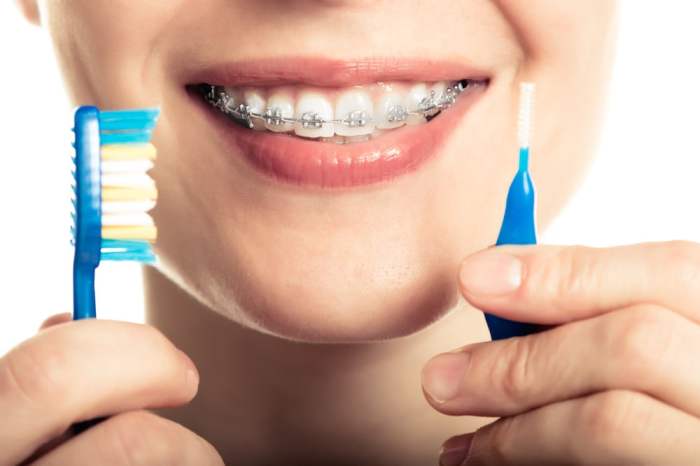
- Use orthodontic-friendly tools: Consider using tools like interdental brushes, floss threaders, or water flossers to help clean around braces effectively.
- Stay active: Regular physical activity can improve overall health and contribute to a faster recovery from orthodontic adjustments.
- Attend regular check-ups: Visiting your orthodontist for scheduled appointments is essential for monitoring progress and addressing any concerns promptly.
Balanced Hormones
Maintaining balanced hormones is crucial during orthodontic treatment to ensure optimal healing, bone remodeling, and overall oral health. Hormones play a significant role in the body’s ability to respond to the pressure and movement of braces and orthodontic appliances.
Tips for Promoting Hormonal Balance
- Avoid processed foods and sugar, which can disrupt hormone levels.
- Incorporate stress-reducing activities like yoga or meditation into your daily routine.
- Ensure you are getting enough sleep to support hormone regulation.
- Stay hydrated and consume a balanced diet rich in nutrients to support hormonal health.
- Consider consulting with a healthcare provider or nutritionist for personalized advice on balancing hormones.
Effects of Orthodontic Appliances on Hormone Levels
Orthodontic appliances can sometimes cause temporary hormonal fluctuations due to the body’s response to the physical changes occurring in the mouth. This can impact hormone levels and potentially affect mood and energy levels.
Health Coaching
Health coaching plays a vital role in supporting orthodontic care by providing patients with guidance, motivation, and accountability throughout their treatment journey. By incorporating health coaching into orthodontic care, patients can enhance their overall wellness and experience better outcomes.
Benefits of Health Coaching in Orthodontic Care
- Personalized Support: Health coaches work with patients on an individual level to create customized plans that align with their orthodontic treatment goals.
- Behavioral Changes: Health coaching helps patients adopt healthy habits, such as proper oral hygiene practices, which are essential for successful orthodontic treatment.
- Mental Health Support: Dealing with braces or orthodontic appliances can be challenging emotionally, and health coaching provides emotional support and coping strategies.
- Improved Compliance: Health coaches help patients stay on track with their treatment plan, leading to better results and faster progress.
- Lifestyle Modifications: Health coaching can assist patients in making lifestyle changes that promote overall wellness, such as incorporating a balanced diet and regular exercise.
Fitness Goals
Setting and achieving fitness goals during orthodontic treatment is important for overall health and well-being. It’s essential to consider how braces may impact physical activity and fitness routines to ensure a successful outcome. Here are some tips for adapting fitness goals to align with braces care.
Impact of Braces on Physical Activity
Braces may initially cause some discomfort or soreness, which can affect your ability to engage in high-impact activities. It’s important to listen to your body and avoid activities that could potentially damage your braces or cause injury. Low-impact exercises such as walking, swimming, or yoga can be great alternatives during this time.
Adapting Fitness Goals for Braces Care
- Consult with your orthodontist: Before starting any new fitness routine, consult with your orthodontist to ensure it won’t interfere with your braces treatment.
- Choose braces-friendly exercises: Opt for exercises that are gentle on the teeth and braces, such as cycling, weight training, or Pilates.
- Stay hydrated: Drinking plenty of water is essential for overall health and can help alleviate any discomfort caused by braces while exercising.
- Use a mouthguard: If you participate in contact sports or activities with a risk of impact to the face, consider using a mouthguard to protect your teeth and braces.
Diet Planning
Proper nutrition and diet planning play a crucial role in supporting orthodontic treatment and overall health. By making thoughtful dietary choices, individuals can optimize their braces care and enhance treatment outcomes.
Nutrient-Rich Foods for Orthodontic Treatment, How to care for braces and orthodontic appliances
- Include a variety of fruits and vegetables in your diet to ensure you are getting essential vitamins and minerals for overall health and oral hygiene.
- Choose lean protein sources such as poultry, fish, beans, and nuts to support muscle growth and repair during orthodontic treatment.
- Incorporate whole grains like brown rice, quinoa, and whole wheat bread to provide sustained energy levels and promote overall well-being.
- Opt for dairy products like yogurt and cheese to strengthen teeth and bones, which can be beneficial during orthodontic treatment.
- Drink plenty of water throughout the day to stay hydrated and maintain good oral health.
Health Supplements
When undergoing orthodontic treatment, it is essential to consider the role of health supplements in supporting overall oral health and the effectiveness of braces. Supplements can play a vital role in ensuring that your body is receiving the necessary nutrients to maintain healthy teeth and gums during this time.
When incorporating health supplements into your routine while wearing braces, it is crucial to consult with your orthodontist or healthcare provider. They can provide guidance on which supplements are safe to take and which ones may interact with your treatment.
Additionally, certain supplements may help promote faster healing, reduce inflammation, and support bone health, which can be beneficial for those with braces.
Considerations for Incorporating Supplements During Braces Care
- Consult with your orthodontist: Before adding any new supplements to your routine, consult with your orthodontist or healthcare provider to ensure they are safe to take with braces.
- Focus on oral health: Look for supplements that support oral health, such as vitamin C, vitamin D, calcium, and probiotics, to help maintain healthy teeth and gums during orthodontic treatment.
- Avoid sticky supplements: Stay away from gummy vitamins or chewable supplements that can get stuck in your braces, causing damage or decay.
- Stay hydrated: Remember to drink plenty of water when taking supplements to help wash them down and prevent any residue from sticking to your braces.
Breathing Techniques
Proper breathing techniques play a crucial role in orthodontic care, especially when wearing braces. Not only do they help in maintaining good oral hygiene, but they also support overall wellness during the orthodontic treatment process.
Benefits of Breathing Techniques with Braces
- Improves oxygen flow to the body, promoting healing and reducing inflammation in the gums and mouth.
- Enhances relaxation and stress reduction, which can be beneficial during the adjustment period of braces.
- Strengthens respiratory muscles, leading to better breathing patterns and overall lung function.
- Helps in maintaining proper posture, which is essential for the alignment of the spine and jaw.
Breathing Exercises for Respiratory Health
- Deep Breathing: Inhale slowly through your nose, expanding your chest and abdomen, then exhale fully through your mouth, releasing tension.
- Diaphragmatic Breathing: Place one hand on your chest and the other on your abdomen, breathe in deeply through your nose, ensuring your abdomen rises while your chest remains still.
- Alternate Nostril Breathing: Close one nostril with your finger, inhale through the other, then switch nostrils and exhale through the alternate nostril.
Overall Wellness Support through Breathing Techniques
Breathing techniques not only aid in oral health but also contribute to your overall well-being during orthodontic treatment. By incorporating these exercises into your daily routine, you can experience improved respiratory health, reduced stress levels, and enhanced relaxation, all of which can positively impact your braces journey.
Disease Prevention
When it comes to orthodontic treatment, disease prevention plays a crucial role in ensuring the success of the treatment and overall health. By following proper strategies to prevent illnesses, you can maintain good oral hygiene and overall wellness while wearing braces.
Tips for Disease Prevention during Braces Care
- Brush and floss regularly to remove food particles and plaque buildup around braces.
- Avoid sticky, hard, or sugary foods that can damage braces and increase the risk of tooth decay.
- Attend regular dental check-ups to monitor the progress of orthodontic treatment and address any oral health issues promptly.
- Stay hydrated by drinking plenty of water to keep your mouth clean and prevent dry mouth.
- Follow the orthodontist’s instructions for wearing rubber bands or other orthodontic appliances to ensure proper alignment of teeth.
Role of Disease Prevention in Orthodontic Treatment
Effective disease prevention practices not only protect your oral health but also contribute to the overall success of orthodontic treatment. By maintaining good oral hygiene and following preventive measures, you can prevent complications such as tooth decay, gum disease, and other oral health issues that may interfere with the progress of braces treatment.
Pain Management
Braces and orthodontic appliances can sometimes cause discomfort or pain during the adjustment period. It’s important to have strategies in place to manage this pain effectively to ensure a more comfortable orthodontic treatment experience.
Tips for Relieving Pain Associated with Braces
- Use orthodontic wax: Applying orthodontic wax over any areas where the braces are rubbing against your cheeks or lips can help reduce irritation and pain.
- Eat soft foods: Stick to a soft diet, especially after adjustments, to minimize discomfort while chewing.
- Take over-the-counter pain relievers: If the pain is more intense, you can take non-prescription pain medication like ibuprofen or acetaminophen as directed by your orthodontist.
- Rinse with saltwater: Gargling with warm saltwater can help alleviate soreness and reduce inflammation in the mouth.
- Use cold compresses: Applying a cold compress to the outside of your mouth can help numb the area and reduce swelling.
Holistic Approaches to Pain Management During Orthodontic Treatment
- Acupuncture: Some patients find relief from orthodontic pain through acupuncture, which can help balance energy flow and reduce discomfort.
- Aromatherapy: Using essential oils like lavender or peppermint can have a calming effect and help manage pain levels.
- Mindfulness techniques: Practicing mindfulness, such as deep breathing or meditation, can help you relax and cope with any discomfort you may be experiencing.
- Herbal remedies: Certain herbs like chamomile or valerian root can have natural pain-relieving properties and may help alleviate orthodontic pain.
Holistic Treatments
Holistic treatments offer a comprehensive approach to supporting orthodontic treatment, focusing on the overall wellness of the individual. By incorporating holistic practices alongside traditional braces care, patients can experience a more balanced and integrated approach to their orthodontic journey.
Nutrition and Orthodontic Health
Nutrition plays a vital role in supporting orthodontic treatment and overall health. A diet rich in vitamins, minerals, and antioxidants can promote faster healing, reduce inflammation, and support the health of teeth and gums. Incorporating whole foods such as fruits, vegetables, lean proteins, and healthy fats can enhance the effectiveness of orthodontic treatment and contribute to a healthier smile.
- Include foods rich in calcium and vitamin D to support bone health and tooth strength.
- Avoid sugary and acidic foods that can damage teeth and braces.
- Stay hydrated to promote saliva production and prevent dry mouth, which can increase the risk of cavities.
- Consider adding probiotic-rich foods like yogurt and kefir to support gut health, which is linked to overall wellness and immune function.
Mind-Body Practices for Orthodontic Care
Incorporating mind-body practices such as meditation, yoga, and deep breathing exercises can help reduce stress, improve relaxation, and promote overall well-being during orthodontic treatment. These practices can also help patients cope with any discomfort or anxiety associated with wearing braces, promoting a positive mindset and enhancing the treatment experience.
- Practice mindfulness techniques to stay present and focused on the benefits of orthodontic treatment.
- Engage in gentle stretching exercises to relieve tension in the jaw and promote proper alignment of the teeth and braces.
- Use relaxation techniques like guided imagery or progressive muscle relaxation to alleviate any discomfort during orthodontic adjustments.
Mental Resilience
The journey of orthodontic treatment can be physically and mentally challenging. Mental resilience plays a crucial role in helping individuals navigate through the ups and downs of wearing braces, ensuring a positive orthodontic experience.
Importance of Mental Resilience
Building mental strength is essential during orthodontic treatment as it helps individuals cope with discomfort, adjustments, and self-consciousness that may come with wearing braces. It enables patients to stay focused on the end goal of achieving a beautiful, healthy smile despite the temporary challenges they may face.
- Practice positive self-talk: Encouraging oneself and focusing on the benefits of treatment can help maintain a positive mindset.
- Seek support: Talking to friends, family, or a mental health professional can provide emotional support and guidance during the orthodontic journey.
- Set small goals: Breaking down the treatment process into achievable milestones can boost confidence and motivation.
- Practice relaxation techniques: Engaging in activities like deep breathing, meditation, or yoga can help reduce stress and anxiety associated with orthodontic treatment.
Strategies for Coping with Challenges
- Stay informed: Understanding the treatment process and what to expect can alleviate fears and uncertainties.
- Focus on the benefits: Remind yourself of the long-term advantages of orthodontic treatment, such as improved oral health and self-confidence.
- Express yourself: Communicate openly with your orthodontist about any concerns or discomfort you may be experiencing.
- Practice patience: Orthodontic treatment requires time, so being patient with the process and yourself is key to staying resilient.
Summary
Now equipped with the knowledge of effective braces care, you can confidently navigate your orthodontic journey with a focus on oral hygiene and overall wellness.
Questions and Answers
How often should I brush my teeth with braces?
It is recommended to brush your teeth after every meal to prevent food particles from getting stuck in your braces.
Can I still eat sticky foods with braces?
Avoid sticky foods like caramel or chewing gum as they can damage your braces and make oral hygiene more challenging.
How do I clean my orthodontic appliances?
Use a soft-bristled toothbrush and orthodontic-friendly toothpaste to clean your braces gently, ensuring no food residue is left behind.
Is it normal to feel discomfort when wearing braces?
Mild discomfort is common when you first get braces or after adjustments, but if you experience severe pain, consult your orthodontist.


