Importance of childhood vaccination programs – At the forefront of this discussion lies the crucial topic of childhood vaccination programs, shedding light on the significance of protecting our young ones from preventable diseases. As we delve deeper, we uncover the profound impact of vaccinations on public health and the well-being of future generations.
Exploring the benefits, challenges, and common vaccines associated with childhood vaccination programs, we aim to provide a comprehensive understanding of the importance of immunization in safeguarding our communities.
Introduction to Childhood Vaccination Programs
Childhood vaccination programs are organized initiatives aimed at immunizing children against various diseases. These programs play a crucial role in preventing the spread of infectious diseases among young individuals, ultimately safeguarding their health and well-being.Vaccination is a highly effective way to protect children from serious illnesses and complications.
By introducing weakened or inactive forms of a pathogen into the body, vaccines stimulate the immune system to produce antibodies without causing the actual disease. This prepares the body to fight off the real infection if the child is ever exposed to it in the future.
The Importance of Vaccination in Preventing Diseases
Vaccination programs have significantly reduced the incidence of many infectious diseases worldwide. For example, the introduction of the measles vaccine has led to a drastic decline in measles cases and related deaths. Similarly, the polio vaccine has helped to nearly eradicate polio in many regions.
- Vaccines protect not only the vaccinated individual but also the community by establishing herd immunity, making it harder for diseases to spread.
- Childhood vaccinations have been instrumental in preventing outbreaks of diseases like whooping cough, diphtheria, and tetanus.
Vaccines are a safe and effective way to prevent serious diseases and save lives.
Statistics on the Effectiveness of Vaccination Programs
According to the World Health Organization (WHO), vaccines prevent an estimated 2-3 million deaths every year. In fact, vaccination is considered one of the most cost-effective public health interventions, with significant long-term benefits for individuals and society as a whole.
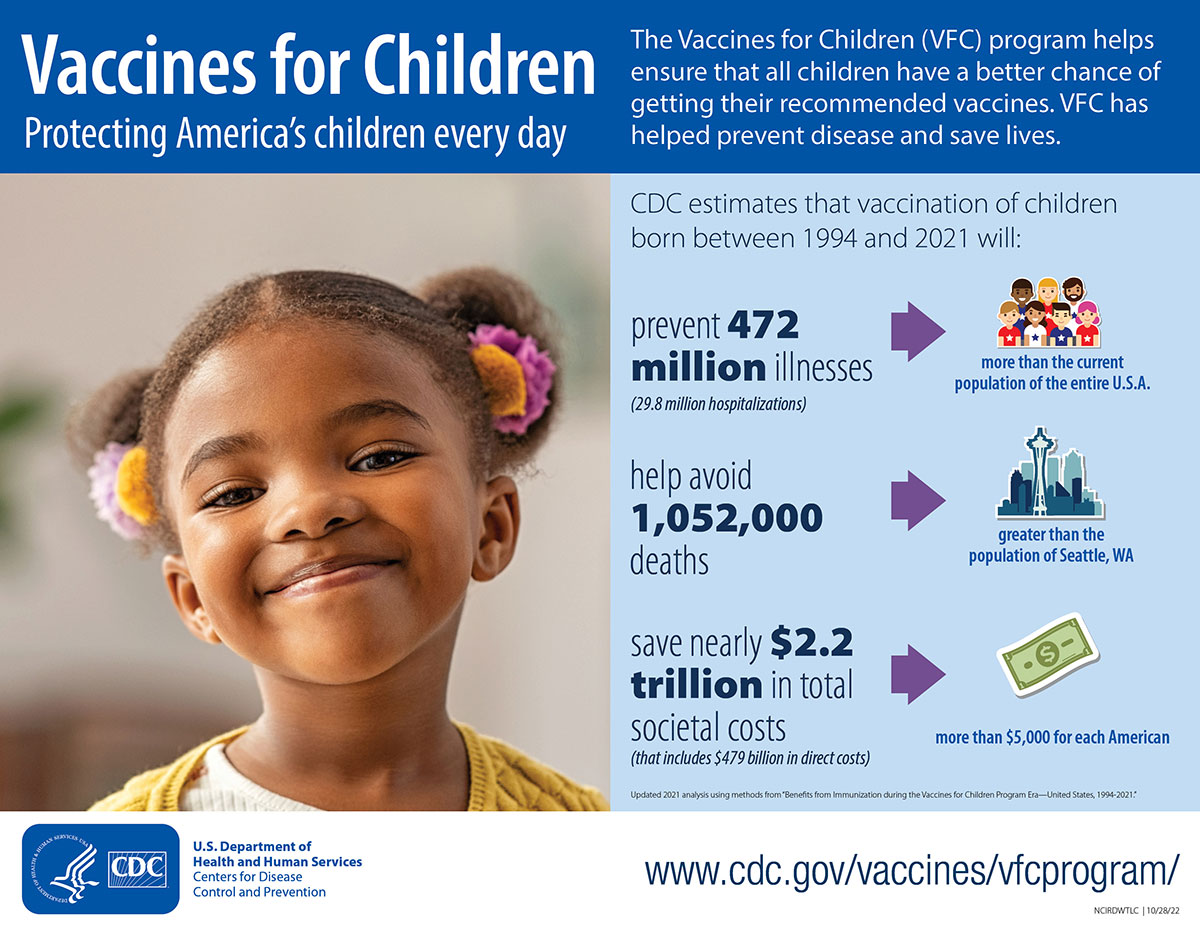
- In the United States, vaccines are estimated to prevent more than 21 million hospitalizations and 732,000 deaths among children born in the past 20 years.
- A study published in Pediatrics found that childhood vaccines prevented 381 million illnesses and 855,000 deaths in the U.S. between 1994 and 2013.
Benefits of Childhood Vaccination Programs
Vaccinating children at a young age offers numerous advantages in safeguarding their health and well-being. Vaccinations play a crucial role in preventing the spread of infectious diseases, protecting not only the vaccinated child but also the community as a whole.
Contribution to Herd Immunity
Vaccination contributes significantly to the concept of herd immunity, where a high percentage of the population is immunized against a particular disease, making it difficult for the infection to spread. By vaccinating children, we create a protective barrier that shields those who are unable to be vaccinated, such as individuals with weakened immune systems or allergies to vaccine components.
Long-Term Impact on Public Health
The long-term impact of childhood vaccination programs on public health is profound. Vaccinations have led to the eradication of diseases like smallpox and significantly reduced the prevalence of others such as polio, measles, and mumps. By preventing outbreaks and reducing the burden on healthcare systems, childhood vaccination programs help save lives and promote overall well-being in communities.
Common Childhood Vaccines
Childhood vaccines are crucial in protecting children from serious diseases and ensuring their overall health. Here are some essential vaccines recommended for children:
1. Measles, Mumps, and Rubella (MMR) Vaccine
The MMR vaccine protects against measles, mumps, and rubella, which are highly contagious viral infections. This vaccine is typically administered in two doses, with the first dose given around 12-15 months of age and the second dose around 4-6 years of age.
2. Polio Vaccine
The polio vaccine protects against poliovirus, which can cause paralysis and even death. Children usually receive multiple doses of the polio vaccine starting at 2 months of age, with booster doses given throughout childhood.
3. Hepatitis B Vaccine
The hepatitis B vaccine protects against hepatitis B virus, which can cause liver disease and liver cancer. This vaccine is typically given in a series of three doses, with the first dose administered shortly after birth and the subsequent doses given at 1-2 months and 6-18 months of age.
4. Diphtheria, Tetanus, and Pertussis (DTaP) Vaccine
The DTaP vaccine protects against diphtheria, tetanus, and pertussis (whooping cough). Children receive multiple doses of this vaccine starting at 2 months of age, with booster doses recommended throughout childhood and into adolescence.
5. Haemophilus influenzae type b (Hib) Vaccine
The Hib vaccine protects against Haemophilus influenzae type b bacteria, which can cause serious infections like meningitis and pneumonia. This vaccine is usually administered in a series of doses starting at 2 months of age.
6. Rotavirus Vaccine
The rotavirus vaccine protects against rotavirus, a common cause of severe diarrhea and dehydration in young children. This vaccine is typically given in a series of doses starting at 2 months of age.
7. Varicella (Chickenpox) Vaccine
The varicella vaccine protects against chickenpox, a highly contagious viral infection. Children usually receive two doses of this vaccine, with the first dose given around 12-15 months of age and the second dose around 4-6 years of age.
8. Pneumococcal Vaccine
The pneumococcal vaccine protects against pneumococcal bacteria, which can cause pneumonia, meningitis, and bloodstream infections. Children typically receive multiple doses of this vaccine starting at 2 months of age.
9. Influenza Vaccine
The influenza vaccine protects against seasonal flu viruses, which can cause serious illness and complications in children. This vaccine is recommended annually for all children over 6 months of age.
10. HPV Vaccine, Importance of childhood vaccination programs
The HPV vaccine protects against human papillomavirus, which can lead to certain cancers later in life. This vaccine is recommended for preteens and teens in a series of doses.
Challenges and Controversies Surrounding Vaccination
Vaccination programs have faced various challenges and controversies over the years, leading to myths and misconceptions about childhood vaccines. These misunderstandings have contributed to vaccine hesitancy among the public, impacting overall public health. It is essential to address these concerns to ensure the effectiveness of vaccination programs and protect the community from preventable diseases.
Common Myths and Misconceptions about Childhood Vaccines
- One common myth is that vaccines cause autism, which has been debunked by numerous scientific studies. There is no credible evidence linking vaccines to autism.
- Another misconception is that natural immunity is better than vaccine-induced immunity. While natural immunity from contracting a disease may provide protection, it also comes with the risk of severe complications and even death.
- Some believe that vaccines contain harmful ingredients, such as mercury or aluminum, that can cause harm. In reality, vaccines undergo rigorous testing to ensure their safety and efficacy.
Impact of Vaccine Hesitancy on Public Health
- Vaccine hesitancy leads to lower vaccination rates, resulting in outbreaks of vaccine-preventable diseases. This poses a significant threat to public health, especially for vulnerable populations like young children and the elderly.
- Communities with high levels of vaccine hesitancy are at risk of losing herd immunity, which is essential for protecting those who cannot be vaccinated due to medical reasons.
- The spread of misinformation and fear surrounding vaccines can erode trust in public health authorities and healthcare providers, further fueling vaccine hesitancy.
Addressing Concerns about Vaccine Safety
- Educating the public about the rigorous safety testing and monitoring processes that vaccines undergo can help dispel fears about vaccine safety.
- Engaging with communities and addressing their concerns in a transparent and empathetic manner is crucial for building trust in vaccination programs.
- Healthcare providers play a key role in addressing vaccine hesitancy by listening to patients’ concerns, providing accurate information, and addressing any misconceptions they may have.
Importance of Wellness Programs: Importance Of Childhood Vaccination Programs
Wellness programs play a crucial role in promoting health and overall well-being among individuals of all ages. These programs are designed to encourage healthy habits, prevent illnesses, and improve the quality of life for participants.
Definition of Wellness Programs
Wellness programs are structured initiatives implemented by organizations or communities to support the physical, mental, and emotional health of individuals. These programs typically include a variety of activities and resources aimed at promoting healthy lifestyle choices and preventing diseases.
Components of a Comprehensive Wellness Program
- Health Education: Providing information on nutrition, exercise, stress management, and other health-related topics.
- Physical Activities: Offering fitness classes, sports activities, and opportunities for regular exercise.
- Health Screenings: Conducting regular screenings for conditions like high blood pressure, cholesterol, and diabetes.
- Wellness Challenges: Organizing competitions or challenges to motivate participants to adopt healthier habits.
- Supportive Environment: Creating a supportive workplace or community environment that encourages healthy behaviors.
Examples of Successful Wellness Programs
- Corporate Wellness Programs: Many companies offer wellness programs to their employees, including gym memberships, healthy snacks, and stress management resources.
- Community Wellness Initiatives: Local governments and organizations often partner to provide wellness programs for residents, such as fitness classes, cooking workshops, and mental health support groups.
- School-Based Wellness Programs: Schools implement wellness programs to educate students about healthy living, promote physical activity, and ensure access to nutritious meals.
Herbal Remedies for Health and Wellness
Herbal remedies have been used for centuries to promote well-being and treat various health conditions. These natural remedies are derived from plants and can offer a holistic approach to maintaining good health.
Benefits of Herbal Treatments
- Herbal remedies are often considered gentler on the body compared to synthetic medications, reducing the risk of side effects.
- Many herbs contain antioxidants and anti-inflammatory properties that can help boost the immune system and reduce inflammation.
- Herbal treatments can be more affordable and accessible to individuals who may not have access to conventional medicine.
Popular Herbs Used for Health Purposes
- Echinacea: Known for its immune-boosting properties and often used to prevent or reduce symptoms of the common cold.
- Turmeric: Contains anti-inflammatory compounds that may help with conditions like arthritis and digestive issues.
- Ginger: Often used to aid digestion, reduce nausea, and alleviate muscle pain.
Skin Health and Wellness
Proper skincare plays a crucial role in maintaining overall health and wellness. Our skin is the body’s largest organ and serves as a protective barrier against external factors such as bacteria, viruses, and pollutants. Taking care of our skin not only helps us look good but also contributes to our overall well-being.
Common Skin Conditions and Their Impact on Wellness
Skin conditions like eczema, acne, psoriasis, and dermatitis can have a significant impact on our wellness. These conditions can cause physical discomfort, emotional distress, and even affect our self-esteem. It is essential to address these skin issues promptly to prevent further complications and maintain overall wellness.
- Eczema: A chronic inflammatory skin condition that causes red, itchy patches on the skin. Managing eczema through proper skincare and lifestyle choices is crucial for overall well-being.
- Acne: A common skin condition that occurs when hair follicles become clogged with oil and dead skin cells. Acne can affect self-confidence and mental health, emphasizing the importance of proper skincare routines.
- Psoriasis: An autoimmune disease that causes rapid skin cell growth, resulting in thick, red patches with silvery scales. Psoriasis can impact mental health and quality of life, highlighting the need for holistic skincare approaches.
- Dermatitis: Inflammation of the skin that can be caused by various factors such as allergies, irritants, or genetic predisposition. Managing dermatitis through skincare products and lifestyle changes is vital for overall skin health and wellness.
Tips for Maintaining Healthy Skin through Lifestyle Choices
Proper skincare goes beyond using the right products; lifestyle choices also play a significant role in maintaining healthy skin. Here are some tips to help you achieve optimal skin health:
- Stay hydrated: Drinking an adequate amount of water helps keep your skin hydrated and promotes overall skin health.
- Eat a balanced diet: Consuming a variety of fruits, vegetables, and healthy fats can nourish your skin from the inside out.
- Protect your skin from the sun: Sun exposure can lead to premature aging and skin damage. Use sunscreen daily and seek shade during peak hours.
- Get enough sleep: Quality sleep allows your skin to repair and regenerate, contributing to a healthy complexion.
- Manage stress: Chronic stress can trigger skin issues like acne and eczema. Practice stress-reducing activities such as yoga, meditation, or deep breathing exercises.
Bone Density and Muscular Health
Maintaining optimal bone density and muscle health is crucial for overall well-being and quality of life. Strong bones and muscles support proper posture, mobility, and balance, reducing the risk of injuries and enhancing physical performance.Factors that influence bone density and muscle health include genetics, age, diet, physical activity levels, hormonal balance, and lifestyle choices.
Adequate intake of calcium, vitamin D, and other essential nutrients is essential for bone health, while regular weight-bearing exercise and strength training can help maintain muscle mass and strength.
Strategies for Improving Bone Density and Muscle Mass
- Engage in weight-bearing exercises such as walking, jogging, dancing, or weightlifting to promote bone density and muscle strength.
- Consume a balanced diet rich in calcium, vitamin D, protein, and other nutrients essential for bone and muscle health.
- Avoid smoking and excessive alcohol consumption, as they can have negative effects on bone density and muscle function.
- Get an adequate amount of sunlight exposure for natural vitamin D synthesis, or consider taking supplements if needed.
- Consult with a healthcare provider to assess your bone health and muscle mass regularly, especially as you age.
Dental Care for Overall Wellness
Maintaining good dental health is essential for overall wellness as it is closely linked to our general health and well-being. Poor oral hygiene can lead to various health issues beyond just tooth decay and gum disease.
Common Dental Issues and Their Impact on Health
- Poor oral hygiene can contribute to the development of cardiovascular diseases such as heart attacks and strokes.
- Gum disease has been linked to diabetes and respiratory infections.
- Tooth loss can affect our ability to chew properly, leading to poor nutrition and overall health.
Tips for Maintaining Good Oral Hygiene and Dental Care
- Brush your teeth at least twice a day with fluoride toothpaste.
- Floss daily to remove plaque and food particles between teeth.
- Visit your dentist regularly for check-ups and professional cleanings.
- Limit sugary foods and drinks that can contribute to tooth decay.
- Avoid smoking and tobacco products that can harm your oral health.
Eye Health and Vision Wellness
Maintaining good eye health is essential for overall wellness. Our eyes play a crucial role in our daily lives, allowing us to see and experience the world around us. It is important to understand common eye conditions and how they can impact our overall health.
By adopting preventive measures and healthy habits, we can ensure good vision and preserve our eye health for the long term.
Common Eye Conditions
- Refractive errors such as myopia (nearsightedness) and hyperopia (farsightedness) can affect vision clarity and require corrective lenses for optimal vision.
- Cataracts, a clouding of the eye’s natural lens, can cause blurred vision and may require surgical intervention for treatment.
- Glaucoma, a group of eye conditions that damage the optic nerve, can lead to vision loss and blindness if left untreated.
- Age-related macular degeneration (AMD) affects the central part of the retina and can result in a loss of central vision.
Preventive Measures for Good Vision
- Get regular eye check-ups to monitor your eye health and detect any issues early on.
- Protect your eyes from UV radiation by wearing sunglasses outdoors and using protective eyewear during activities that pose a risk of eye injury.
- Follow a healthy diet rich in nutrients like vitamin A, C, and E, as well as omega-3 fatty acids, to support eye health.
- Avoid smoking, as it is linked to an increased risk of eye diseases such as cataracts and AMD.
- Practice good eye hygiene, such as taking breaks from screens, blinking regularly, and maintaining proper lighting when reading or working on tasks that strain the eyes.
Mental Clarity and Cognitive Wellness
Mental clarity refers to the state of having a clear and focused mind, which plays a crucial role in overall wellness. It involves the ability to think, reason, and make decisions effectively.
Factors Affecting Mental Clarity and Cognitive Function
Several factors can impact mental clarity and cognitive function, such as:
- Quality of sleep: Adequate rest is essential for proper brain function and clarity of thought.
- Diet and hydration: Consuming a balanced diet and staying hydrated can support brain health.
- Physical exercise: Regular physical activity can improve blood flow to the brain, enhancing cognitive function.
- Stress management: High levels of stress can impair mental clarity, so stress-reducing practices are important.
- Engaging activities: Mental stimulation through activities like puzzles or learning new skills can boost cognitive function.
Techniques for Enhancing Mental Clarity
There are various techniques and practices that can help enhance mental clarity, including:
- Mindfulness meditation: Practicing mindfulness can improve focus and concentration.
- Brain games: Playing games that challenge cognitive abilities can sharpen the mind.
- Brain-boosting foods: Consuming foods rich in antioxidants and omega-3 fatty acids can support brain function.
- Regular breaks: Taking short breaks during work or study sessions can prevent mental fatigue and improve clarity.
- Deep breathing exercises: Deep breathing techniques can calm the mind and improve mental clarity.
Joint Flexibility and Mobility
Having good joint flexibility is crucial for overall health as it allows for smooth movement and prevents injuries. When our joints are flexible, we can perform daily tasks with ease and engage in physical activities without limitations.
Common Joint Issues and Their Impact on Mobility
Joint issues such as arthritis, bursitis, and tendonitis can significantly impact mobility. These conditions cause pain, stiffness, and swelling, making it difficult to move freely. Without proper treatment and management, joint problems can worsen over time, leading to decreased mobility and quality of life.
Exercises and Strategies for Improving Joint Flexibility
- Stretching: Regular stretching exercises can help improve joint flexibility by increasing range of motion and reducing stiffness. Focus on stretching major muscle groups around the joints.
- Low-impact Activities: Engaging in low-impact exercises such as swimming, yoga, or tai chi can help strengthen muscles around the joints and improve flexibility without putting excessive stress on them.
- Strength Training: Building muscle strength around the joints can provide support and stability, enhancing joint flexibility. Include exercises that target specific muscle groups related to the joints.
- Proper Posture: Maintaining good posture is essential for joint health and mobility. Poor posture can lead to misalignment of joints and increased risk of injuries. Be mindful of your posture during daily activities.
- Joint-Friendly Diet: Consuming a balanced diet rich in nutrients such as omega-3 fatty acids, vitamin C, and antioxidants can help reduce inflammation in the joints and promote flexibility. Include foods like fatty fish, fruits, vegetables, and nuts in your meals.
Digestive Health and Wellness
The role of digestive health in overall wellness is crucial as it directly impacts the body’s ability to absorb nutrients, eliminate waste, and maintain a strong immune system. A healthy digestive system is essential for optimal physical and mental well-being.Common digestive issues such as indigestion, bloating, constipation, and irritable bowel syndrome can significantly impact an individual’s health.
These issues can lead to nutrient deficiencies, inflammation, and a weakened immune response, causing discomfort and affecting overall quality of life.
Tips for Promoting Good Digestive Health
- Avoid processed foods high in sugar and unhealthy fats, as they can disrupt the balance of gut bacteria and lead to digestive issues.
- Incorporate fiber-rich foods like fruits, vegetables, whole grains, and legumes into your diet to support healthy digestion and regular bowel movements.
- Stay hydrated by drinking plenty of water throughout the day to help maintain proper digestion and prevent constipation.
- Include probiotic-rich foods like yogurt, kefir, sauerkraut, and kimchi in your diet to promote a healthy gut microbiome and improve digestive function.
- Practice mindful eating by chewing your food thoroughly, eating slowly, and avoiding distractions to support proper digestion and nutrient absorption.
- Manage stress through relaxation techniques like meditation, deep breathing, yoga, or regular exercise, as stress can negatively impact digestion.
- Get regular physical activity to stimulate digestion, improve bowel regularity, and support overall gut health.
Detox Process and Body Cleansing
Detoxification is the process of eliminating toxins and harmful substances from the body, promoting overall health and well-being. By removing impurities, detox programs can help boost the immune system, improve digestion, increase energy levels, and enhance mental clarity.
Natural Methods for Detoxification
- Hydration: Drinking plenty of water helps flush out toxins through urine and sweat.
- Healthy Diet: Consuming whole foods, fruits, vegetables, and fiber-rich foods supports liver function and aids in detoxification.
- Exercise: Physical activity helps stimulate circulation and lymphatic drainage, facilitating toxin elimination.
- Herbal Teas: Certain herbs like dandelion, ginger, and green tea have detoxifying properties that support liver health.
- Sauna or Steam Therapy: Sweating through sauna or steam sessions can help release toxins through the skin.
Tips for Incorporating Detox Practices into a Healthy Lifestyle
- Start with a gentle detox program and gradually incorporate more intense cleanses.
- Avoid processed foods, alcohol, and sugar to reduce toxin intake.
- Practice mindful eating, chew food slowly, and savor each bite for better digestion.
- Get plenty of rest and prioritize sleep to support the body’s natural detox processes.
- Consider professional guidance or consultation before embarking on a rigorous detox program.
Blood Pressure and Heart Rate Management
Maintaining healthy blood pressure and heart rate is crucial for overall well-being. High blood pressure and elevated heart rate can have serious implications on health, leading to an increased risk of heart disease, stroke, and other cardiovascular issues.
Impact of High Blood Pressure and Heart Rate
Elevated blood pressure puts strain on the heart and blood vessels, increasing the risk of damage and potential blockages. This can lead to heart attacks, strokes, and other cardiovascular complications. Similarly, a high heart rate can indicate underlying health issues such as stress, anxiety, or poor physical fitness, which can further exacerbate cardiovascular problems.
Lifestyle Changes for Healthy Levels
- Maintain a balanced diet low in sodium and saturated fats to help regulate blood pressure.
- Engage in regular physical activity to improve cardiovascular health and lower heart rate.
- Manage stress through relaxation techniques such as meditation, yoga, or deep breathing exercises.
- Avoid smoking and limit alcohol consumption to support heart health.
- Monitor blood pressure and heart rate regularly, seeking medical advice if levels are consistently high.
Health Screenings and Preventive Care
Regular health screenings play a crucial role in preventive care by helping to detect potential health issues early on, allowing for timely intervention and treatment. These screenings are essential for maintaining overall health and well-being, as they can help identify risk factors and provide valuable insights into one’s current health status.
Importance of Regular Check-ups and Screenings
Regular check-ups and screenings are vital for individuals of all ages to monitor their health and detect any potential problems before they become serious. By undergoing routine screenings, individuals can take proactive steps to prevent diseases and maintain optimal health.
Some of the key benefits of regular health screenings include early detection of conditions such as high blood pressure, diabetes, and certain types of cancer, which can significantly improve treatment outcomes.
Recommendations for Age-Appropriate Health Screenings
It is important for individuals to follow age-appropriate health screening guidelines to ensure comprehensive monitoring of their health. Recommendations may vary based on age, gender, family history, and individual risk factors. Some common age-appropriate health screenings include blood pressure checks, cholesterol tests, blood glucose screenings, mammograms, colonoscopies, and bone density scans.
By staying up to date with recommended screenings, individuals can take proactive steps towards maintaining their health and well-being.
Healthy Habits for Wellness
Maintaining overall health and wellness is crucial for a fulfilling and vibrant life. By incorporating healthy habits into your daily routine, you can enhance your physical, mental, and emotional well-being. These habits not only help prevent illness and disease but also improve your quality of life.
Eating a Balanced Diet
Eating a well-rounded diet rich in fruits, vegetables, whole grains, lean proteins, and healthy fats is essential for optimal health. A balanced diet provides the necessary nutrients for energy, immunity, and overall well-being. It also reduces the risk of chronic conditions such as heart disease, diabetes, and obesity.
Regular Physical Activity
Engaging in regular physical activity, whether it’s through exercise, sports, or simply staying active throughout the day, is key to maintaining a healthy lifestyle. Physical activity helps strengthen muscles, improve cardiovascular health, boost mood, and enhance overall fitness levels. Aim for at least 150 minutes of moderate-intensity exercise each week.
Getting Adequate Sleep
Quality sleep is vital for overall health and well-being. Aim for 7-9 hours of sleep each night to allow your body to rest, recover, and recharge. Poor sleep can lead to a host of health issues, including weakened immunity, cognitive impairment, and increased risk of chronic diseases.
Stress Management
Chronic stress can take a toll on both your physical and mental health. Incorporate stress-reducing activities into your daily routine, such as mindfulness meditation, deep breathing exercises, yoga, or spending time in nature. Managing stress effectively can improve your mood, enhance your resilience, and lower your risk of stress-related illnesses.
Hydration and Water Intake
Staying hydrated is crucial for maintaining optimal health. Drink plenty of water throughout the day to support digestion, circulation, temperature regulation, and overall bodily functions. Dehydration can lead to fatigue, headaches, poor concentration, and impaired physical performance.
Balanced Hormones and Hormonal Health
Maintaining balanced hormones is crucial for overall wellness as hormones play a key role in regulating various bodily functions such as metabolism, mood, energy levels, and reproductive health. An imbalance in hormones can lead to a wide range of health issues and symptoms, including weight gain, fatigue, mood swings, and fertility problems.
Factors Influencing Hormonal Balance
- Stress: Chronic stress can disrupt the balance of hormones such as cortisol and adrenaline, leading to imbalances in other hormones.
- Diet: Poor nutrition, high sugar intake, and processed foods can impact hormone levels, especially insulin and leptin.
- Physical Activity: Regular exercise can help regulate hormones like insulin and cortisol, promoting overall hormonal balance.
- Sleep: Lack of quality sleep can disrupt hormone production and lead to imbalances in hormones like melatonin and growth hormone.
- Environmental Toxins: Exposure to toxins in the environment, such as BPA and phthalates, can interfere with hormone function.
Strategies for Supporting Hormonal Health
- Eat a Balanced Diet: Include plenty of fruits, vegetables, whole grains, lean proteins, and healthy fats to support hormone production and balance.
- Manage Stress: Practice relaxation techniques, mindfulness, and regular physical activity to reduce stress levels and support hormonal balance.
- Get Adequate Sleep: Aim for 7-9 hours of quality sleep each night to allow your body to regulate hormone production effectively.
- Avoid Toxins: Choose natural and organic products, minimize exposure to harmful chemicals, and use safe household cleaners to reduce toxin exposure.
- Consult a Healthcare Provider: If you suspect hormonal imbalances, consult a healthcare provider for proper testing and treatment options.
Health Coaching for Wellness
Health coaching is a process that helps individuals make positive and lasting changes to improve their overall well-being. It involves working with a trained professional who provides guidance, support, and accountability to help clients achieve their health goals.
Role of Health Coaching in Promoting Wellness
Health coaching plays a crucial role in promoting wellness by focusing on the individual as a whole, addressing not just physical health but also mental, emotional, and spiritual well-being. Coaches help clients set realistic goals, develop personalized action plans, and overcome obstacles to create sustainable lifestyle changes.
Benefits of Working with a Health Coach
- Personalized guidance and support tailored to individual needs
- Accountability to stay motivated and on track with health goals
- Evidence-based strategies and tools to improve overall well-being
- Empowerment to take control of one’s health and make informed decisions
- Long-term success in maintaining a healthy lifestyle
Examples of Health Coaching Programs and Their Impact
There are various health coaching programs available, ranging from one-on-one coaching sessions to group workshops and online programs. These programs focus on areas such as nutrition, fitness, stress management, and chronic disease prevention. Studies have shown that individuals who participate in health coaching experience improved health outcomes, increased motivation, and a better quality of life.
Fitness Goals and Exercise Routines
Setting fitness goals is crucial for overall health and well-being. It provides a clear direction and motivation to maintain a healthy lifestyle through regular exercise and physical activity.
Importance of Setting Fitness Goals
- Setting fitness goals helps track progress and stay accountable.
- It provides a sense of achievement and boosts self-confidence.
- Having specific goals can help tailor exercise routines for optimal results.
Benefits of Regular Exercise and Physical Activity
- Improves cardiovascular health and reduces the risk of chronic diseases.
- Enhances mood and mental well-being by releasing endorphins.
- Increases muscle strength, flexibility, and overall physical fitness.
Tips for Creating Effective Fitness Goals and Exercise Routines
- Set SMART goals – Specific, Measurable, Achievable, Relevant, and Time-bound.
- Vary your workouts to prevent boredom and plateaus in progress.
- Consult a fitness professional to create a personalized exercise plan based on your goals and fitness level.
Diet Planning and Nutrition for Health
Having a well-balanced diet plays a crucial role in maintaining overall health and wellness. The food we consume provides essential nutrients that our bodies need to function properly and stay healthy.
The Role of Diet in Maintaining Overall Health
Our diet directly impacts various aspects of our health, including energy levels, immune function, weight management, and disease prevention. Consuming a variety of nutrient-rich foods ensures that our bodies receive the necessary vitamins, minerals, proteins, and carbohydrates to support overall well-being.
Importance of Balanced Nutrition for Optimal Health
Balanced nutrition is essential for optimal health as it helps prevent nutrient deficiencies, maintain a healthy weight, and reduce the risk of chronic diseases such as diabetes, heart disease, and certain cancers. It also supports proper growth and development, especially in children and adolescents.
Tips for Effective Meal Planning and Healthy Eating Habits
- Include a variety of fruits, vegetables, whole grains, lean proteins, and healthy fats in your meals.
- Avoid processed foods high in sugar, salt, and unhealthy fats.
- Stay hydrated by drinking an adequate amount of water throughout the day.
- Plan your meals ahead of time to ensure you have nutritious options available.
- Practice mindful eating by paying attention to hunger cues and stopping when you feel full.
Health Supplements and Nutritional Support
Health supplements play a crucial role in supporting overall health by providing essential nutrients that may be lacking in our diet. They can help fill nutritional gaps and promote optimal well-being.
Common Types of Health Supplements
- Vitamin D: Helps with bone health, immune function, and mood regulation.
- Omega-3 Fatty Acids: Supports heart health, brain function, and joint mobility.
- Probiotics: Promotes gut health and improves digestion.
- Multivitamins: Provides a variety of essential vitamins and minerals for overall health.
Benefits of Health Supplements
- Supports immune function and reduces the risk of infections.
- Improves energy levels and overall vitality.
- Helps maintain healthy skin, hair, and nails.
- May reduce the risk of chronic diseases.
Guidelines for Choosing and Using Health Supplements Safely
- Consult with a healthcare provider before starting any new supplement regimen.
- Choose reputable brands that undergo third-party testing for quality and purity.
- Follow recommended dosage instructions to avoid adverse effects.
- Be aware of potential interactions with medications or existing health conditions.
Breathing Techniques for Stress Relief
Proper breathing techniques play a crucial role in managing stress and promoting overall well-being. By incorporating deep breathing exercises into your daily routine, you can experience a range of benefits that contribute to a calmer and more relaxed state of mind.
Benefits of Deep Breathing and Relaxation Exercises
- Improves oxygen flow to the brain and body, enhancing overall cognitive function and reducing feelings of anxiety.
- Stimulates the parasympathetic nervous system, triggering the body’s relaxation response and lowering stress levels.
- Helps regulate heart rate and blood pressure, promoting cardiovascular health and reducing the risk of heart-related issues.
- Increases mindfulness and awareness of the present moment, fostering a sense of calmness and mental clarity.
Simple Breathing Techniques for Stress Reduction
- Diaphragmatic breathing:Sit or lie down comfortably, place one hand on your chest and the other on your abdomen. Inhale deeply through your nose, allowing your abdomen to expand. Exhale slowly through your mouth, feeling your abdomen contract. Repeat for several breaths.
- 4-7-8 technique:Inhale quietly through your nose for a count of 4, hold your breath for a count of 7, and exhale audibly through your mouth for a count of 8. Repeat this cycle a few times.
- Alternate nostril breathing:Close your right nostril with your thumb and inhale through your left nostril. Close your left nostril with your ring finger, release your right nostril, and exhale through the right nostril. Repeat on the other side.
Disease Prevention and Immune Support
Preventing diseases and supporting the immune system are crucial aspects of maintaining overall health and well-being. By implementing strategies to boost immune health, individuals can reduce the risk of falling ill and improve their body’s ability to fight off infections.
Strategies for Disease Prevention
- Practice good hygiene by washing hands frequently and properly.
- Maintain a healthy diet rich in fruits, vegetables, and whole grains.
- Stay physically active to strengthen the immune system.
- Get an adequate amount of sleep to allow the body to rejuvenate.
- Stay up to date on vaccinations to prevent specific diseases.
Role of the Immune System
The immune system plays a vital role in protecting the body from harmful pathogens such as bacteria, viruses, and fungi. It identifies and eliminates foreign invaders to prevent infections and diseases from taking hold.
Tips for Boosting Immune Health
- Consume immune-boosting foods like citrus fruits, garlic, and yogurt.
- Manage stress levels through relaxation techniques like meditation or yoga.
- Stay hydrated by drinking plenty of water throughout the day.
- Engage in regular exercise to enhance immune function.
- Avoid smoking and limit alcohol consumption to protect immune health.
Pain Management and Relief
Chronic pain can have a significant impact on one’s overall well-being, affecting daily activities and quality of life. Finding effective methods for managing and alleviating pain is crucial for maintaining a healthy and active lifestyle. In addition to conventional medical treatments, there are various natural pain relief techniques and strategies that can help individuals cope with pain more effectively.
Natural Pain Relief Techniques
- Exercise regularly: Physical activity can help reduce pain by releasing endorphins, the body’s natural painkillers.
- Practice mindfulness and relaxation techniques: Activities such as yoga, meditation, and deep breathing exercises can help reduce stress and alleviate pain.
- Use heat and cold therapy: Applying heat packs or ice packs to the affected area can help reduce inflammation and provide relief from pain.
- Try acupuncture or acupressure: These alternative therapies can help stimulate the body’s natural healing processes and reduce pain perception.
- Consume anti-inflammatory foods: Including foods rich in omega-3 fatty acids, antioxidants, and anti-inflammatory properties in your diet can help reduce inflammation and pain.
Pain Management Strategies
- Consult with a healthcare provider: Seeking professional medical advice is essential for developing a personalized pain management plan tailored to your specific needs.
- Keep a pain diary: Keeping track of your pain levels, triggers, and patterns can help identify factors that worsen or alleviate your pain.
- Stay active and maintain a healthy lifestyle: Engaging in regular physical activity, maintaining a balanced diet, and getting enough rest can help manage pain more effectively.
- Explore alternative therapies: Consider options such as chiropractic care, massage therapy, or cognitive-behavioral therapy to complement traditional pain management approaches.
- Stay connected and seek support: Building a strong support network of family, friends, or support groups can provide emotional support and encouragement in managing chronic pain.
Holistic Treatments and Integrative Medicine
Holistic treatments focus on treating the whole person, considering physical, mental, emotional, and spiritual aspects of health and wellness. Integrative medicine combines conventional and alternative therapies to address the individual’s unique needs.
Benefits of Holistic Treatments
- Emphasis on overall well-being and prevention of illness.
- Personalized treatment plans tailored to individual needs.
- Reduced side effects compared to traditional medical interventions.
- Promotion of self-healing and empowerment of patients.
Examples of Holistic Therapies
- Acupuncture: Stimulates specific points on the body to promote balance and alleviate pain.
- Herbal Medicine: Uses plant-based remedies to support the body’s natural healing processes.
- Mindfulness Meditation: Cultivates present-moment awareness to reduce stress and enhance mental clarity.
- Yoga: Combines physical postures, breathing exercises, and meditation to improve flexibility and promote relaxation.
Mental Resilience and Emotional Well-Being
Mental resilience plays a crucial role in maintaining emotional well-being. It refers to the ability to adapt and bounce back from challenges, stress, and adversity. Building mental resilience is essential for coping with life’s ups and downs effectively.
Strategies for Building Mental Resilience
- Practice self-care: Prioritize activities that bring you joy and relaxation.
- Develop a strong support system: Surround yourself with positive and understanding individuals.
- Set realistic goals: Break tasks into manageable steps to avoid feeling overwhelmed.
- Enhance problem-solving skills: Approach challenges with a positive mindset and seek solutions proactively.
- Practice mindfulness and meditation: Cultivate awareness of your thoughts and emotions to foster resilience.
Tips for Improving Emotional Well-Being and Mental Health
- Engage in regular physical activity: Exercise releases endorphins that help boost mood and reduce stress.
- Seek professional help when needed: Therapy or counseling can provide valuable support and tools for managing emotions.
- Practice gratitude: Focus on the positive aspects of your life to promote emotional well-being.
- Limit exposure to negative influences: Surround yourself with positivity and avoid toxic relationships or environments.
- Engage in hobbies and activities you enjoy: Doing things that bring you happiness can enhance your emotional health.
Last Word
In conclusion, the essence of childhood vaccination programs cannot be understated. By prioritizing immunization, we not only protect individual health but also contribute to the collective well-being of society. Let us continue to advocate for and support such crucial programs for a healthier tomorrow.
Frequently Asked Questions
How effective are childhood vaccination programs in preventing diseases?
Childhood vaccination programs have been highly effective in preventing various diseases by building immunity against them, thus reducing the spread and impact of illnesses.
Are there any risks associated with childhood vaccines?
While rare, some vaccines may have mild side effects such as fever or soreness at the injection site. Serious side effects are extremely rare and the benefits of vaccination outweigh the risks.